Inside the Factory: The Label Printing Process Explained
From Design File to Finished Product roll
Custom packaging labels are highly engineered products composed of multiple layers: a face material, a specialized adhesive, and a release liner. But how does a digital graphic design file turn into a finished roll of self-adhesive labels ready for high-speed factory application?
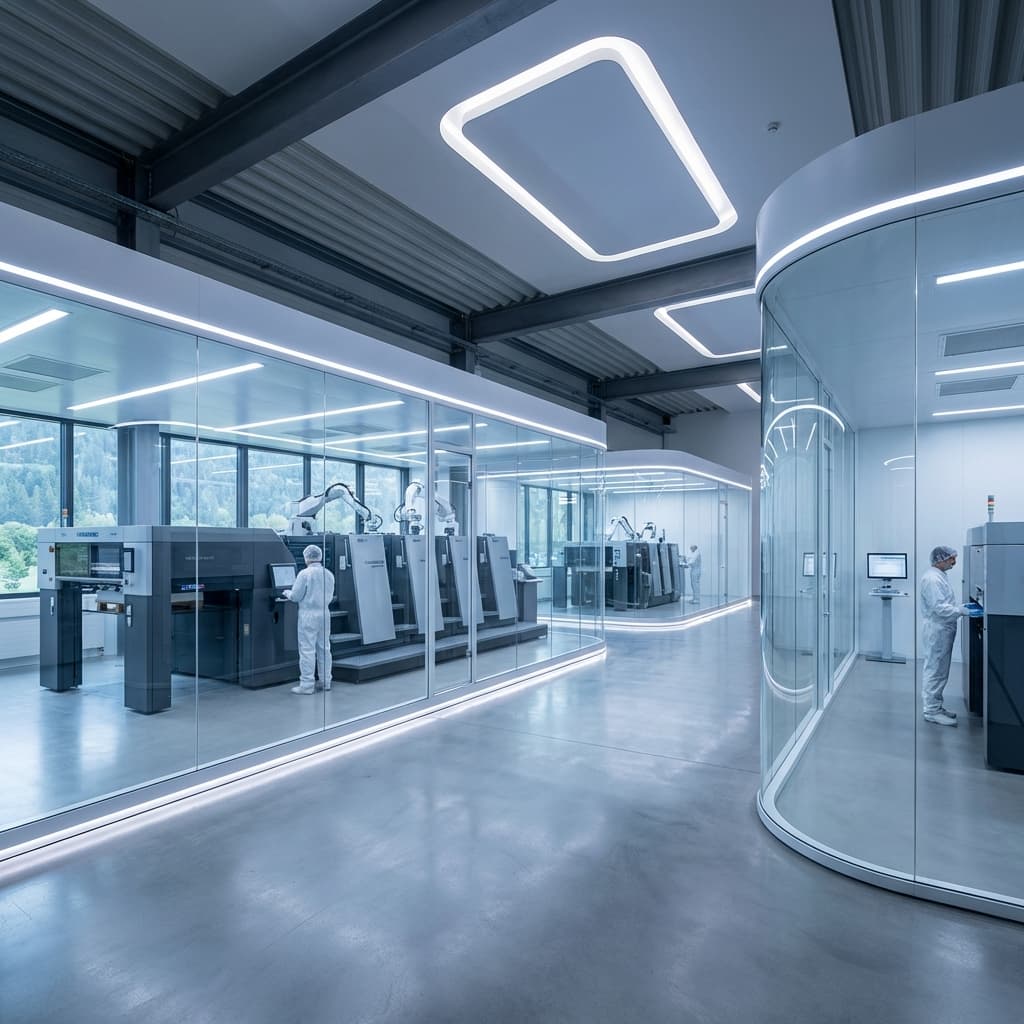
Let's take a look inside a modern printing facility to understand the step-by-step process of custom label manufacturing.
Step 1: Prepress and Color Proofing
Before any ink touches the substrate, the prepress team processes the digital design file. They check the resolution (ensuring it is at least 300 DPI), verify bleed lines and safety margins, and perform color separations. Spot colors (such as Pantone brand colors) are isolated to ensure exact color matching. Digital proofs are generated and sent to the client for final artwork approval.
Step 2: Choosing and Preparing the Substrate
Based on the product specifications, the raw material is loaded onto the press. The material (called a substrate) arrives in massive, heavy master rolls. The substrate consists of the face stock (paper or synthetic film like BOPP/PE), the adhesive layer, and the silicone-coated backing paper. Depending on the design, the material can be matte white, crystal clear, or metallic silver.
Step 3: The Printing Phase
Modern label plants utilize two primary technologies depending on order volume and customization needs:
A. Flexographic Printing (High Volume)
For large production runs, flexographic printing is standard. The press uses a series of rotating cylinders. Each cylinder is fitted with a flexible photopolymer plate that transfers a single ink color to the web of substrate. Flexo presses operate at high speeds and use specialized UV-curable inks that dry instantly when exposed to powerful UV lamps on the press line. This allows for rich, vibrant colors and consistent registration across millions of units.
B. Digital Label Printing (Short Run & Dynamic)
For short runs, multi-SKU variations, or serialized data (barcodes/QR), digital presses are used. Digital printing transfers the ink directly from a digital file using electrophotographic or UV inkjet technology, eliminating the need for physical printing plates. This allows for rapid turnarounds and zero setup costs, making it highly cost-effective for boutique brands.
Step 4: Surface Finishes & Embellishments
Once printed, the web passes through finishing stations to add visual details and protection:
- Lamination: A thin, clear film is applied over the print to shield it from water, chemicals, and abrasion.
- Varnishing: A liquid protective coating (gloss, matte, or satin) is applied and cured. Spot-varnish can be used to highlight specific graphic elements.
- Foil Stamping: Metallic foils (gold, silver, bronze) are transferred using heat and pressure (hot stamping) or UV adhesive (cold foil) to create luxury reflective detailing.
- Embossing: The substrate is pressed between matching male/female dies, raising specific elements (like logos or lettering) to create a tactile 3D effect.
Step 5: Precision Die-Cutting
The printed roll then moves to the die-cutting station, where the labels are cut into their final custom shapes. Rotary dies (metal cylinders engraved with sharp cutting blades) slice through the face stock and adhesive layers with extreme precision, leaving the backing paper completely intact (called a "kiss cut"). The scrap material around the cut labels (the "matrix") is peeled off and discarded, leaving only clean labels on the liner.
Step 6: Slitting, Inspection, and Packaging
The final master roll is loaded onto a slitting machine. It is sliced into individual, narrow strips, rewound around cardboard cores, and counted automatically. The rolls pass through electronic inspection cameras to ensure there are no print smudges, missing labels, or misaligned cuts. The finished rolls are wrapped, labeled, and shipped to the client's packaging plant.
Conclusion: Custom Engineering for Your Product
Every step of the manufacturing process can be customized to match your product's requirements. At Royal Prime Labels, we control every detail from prepress to final slitting to guarantee the highest quality. Connect with our print production experts to schedule a factory tour or request custom sample rolls.
