How FMCG Brands Choose Custom Labels for Maximum Shelf Appeal
The Battle for the Consumer's Attention
In the highly competitive Fast-Moving Consumer Goods (FMCG) market, consumers make purchasing decisions in less than three seconds. Your product's label is the first—and often the only—point of physical contact a shopper has with your brand on a crowded retail shelf. Therefore, FMCG brands must balance design aesthetics, physical durability, application speed, and cost efficiency when choosing custom labels.
Let's look at the strategic factors FMCG packaging managers evaluate when designing and sourcing custom labels for retail success.
1. Balancing Shelf Impact and Brand Aesthetic
FMCG brands use premium label finishes to communicate quality and command higher price points:
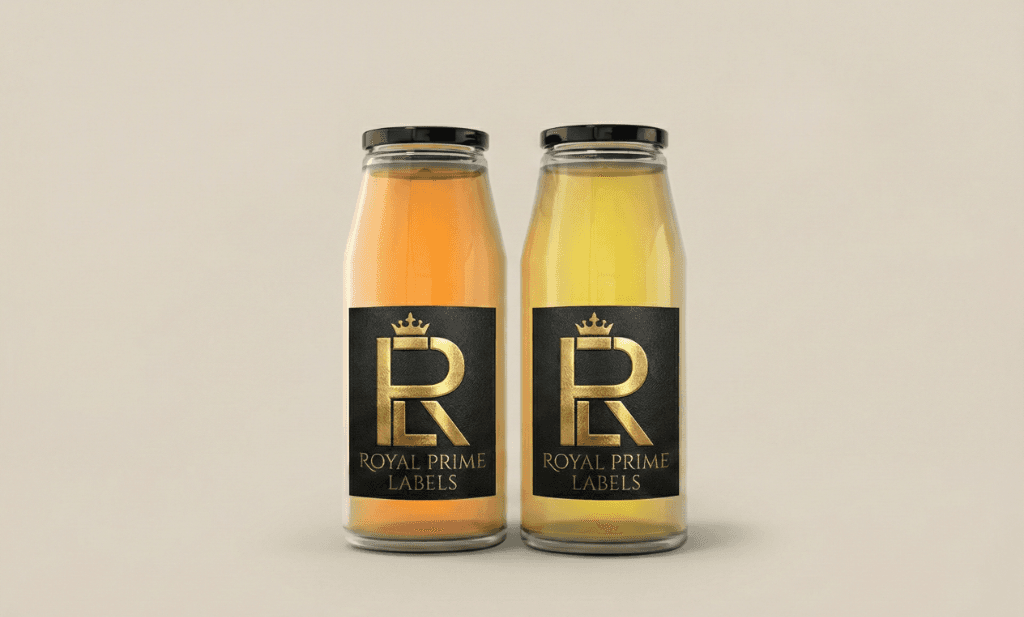
- The "No-Label" Look: By utilizing crystal-clear BOPP labels on transparent bottles (such as hand soap, juices, or luxury cosmetics), the label background disappears. This gives the product a sleek, direct-printed appearance at a fraction of the cost of screen printing.
- Tactile Varnishes & Embossing: Incorporating custom tactile varnishes or raised lettering invites shoppers to touch the product. Physical touch increases the likelihood of purchase by over 40%.
- Metallic Accents: Using cold foil or printing on metallic silver substrates adds a high-end reflective sheen, which catches bright supermarket lighting and draws the shopper's eye.
2. Durability and Environmental Resistance
An FMCG label must look as pristine on the kitchen counter or bathroom shelf as it did in the factory. Brands must choose materials based on where the product is stored and used:
- Cold & Wet Resistance: For dairy, soft drinks, and frozen food, the label must survive heavy moisture and temperature drops without peeling. This requires synthetic films (like polypropylene) paired with specialty cold-chain adhesives.
- Chemical & Oil Resistance: Kitchen cleaners, shampoos, and vegetable oils frequently drip down the sides of containers. Standard paper labels will immediately smudge, bubble, or tear. Laminates and UV varnishes seal the ink against product run-off.
- Squeeze-Proof Flexibility: Labels on squeezable tubes (such as honey, ketchup, or face wash) must stretch and return to shape along with the packaging. Ordinary rigid films will crease and peel away, so flexible Polyethylene (PE) films are utilized.
3. Production & Application Speed
FMCG lines operate at blazing speeds, wrapping hundreds of bottles per minute. The label substrate must possess high tensile strength to prevent tears under tension, and the release liner must be engineered for smooth peeling. Furthermore, adhesives must have high initial tack to bond instantly with containers without slipping or bubbling on high-speed conveyors.
4. Maximizing Cost-Efficiency
Since FMCG items operate on tight margins, packaging procurement managers constantly seek to reduce costs without compromising quality:
- Multi-SKU Combination Printing: If a brand has multiple product variations (e.g., five different soap scents), they can print them under a single, combined digital run. This avoids multiple setup charges and takes advantage of bulk volume discounts.
- Flexo vs. Digital Hybridization: Brands use high-speed flexo presses for their primary static runs (millions of units) and digital presses for seasonal campaigns, local test marketing, or short-run promotional items.
Partnering for Retail Success
At Royal Prime Labels, we supply major FMCG brands with high-performance packaging solutions. Our state-of-the-art multi-color flexographic and digital printing presses ensure brand colors remain perfectly consistent across millions of units. Contact our product packaging team to request a custom finish sample kit tailored for your FMCG product range.
