
A B2B Guide to Barcode Label Printing & Compliance Requirements
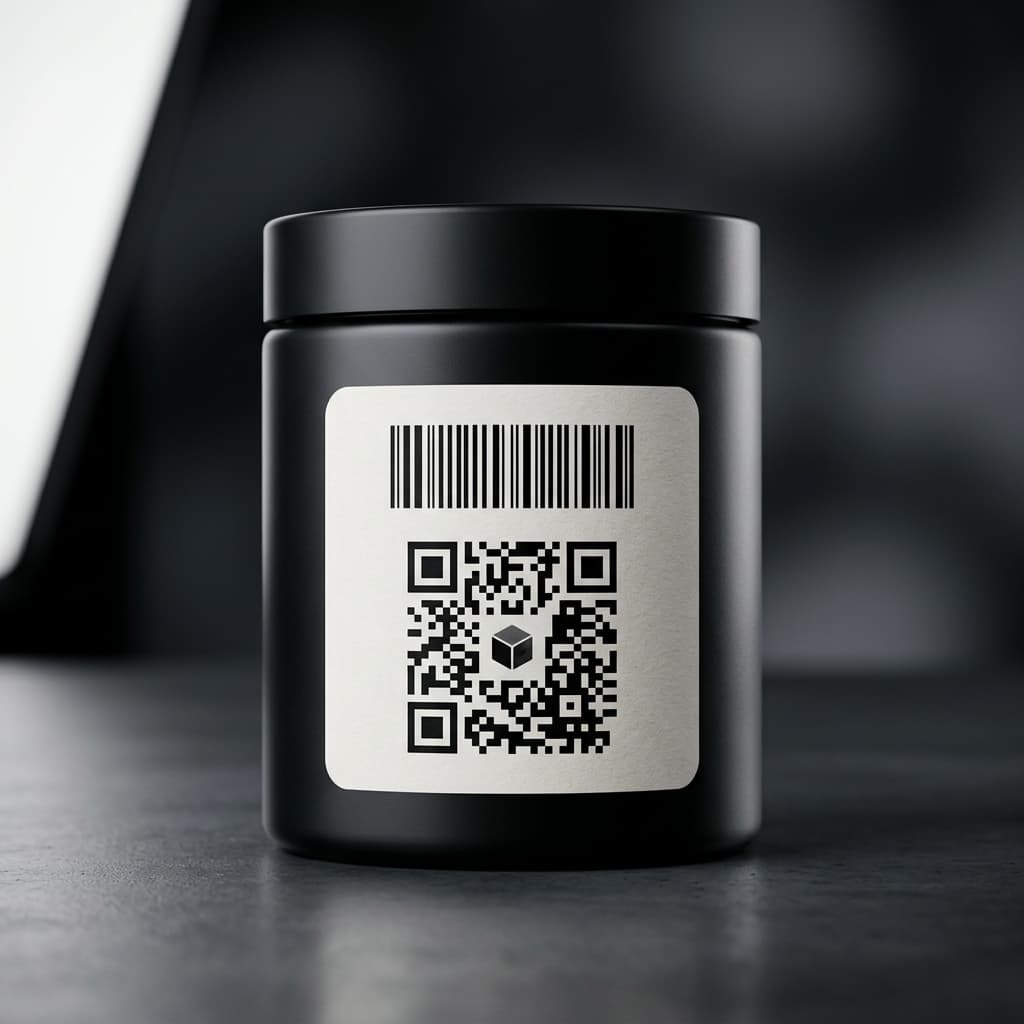
The Critical Role of Barcodes in Modern Logistics
In global supply chains, warehouse operations, and retail checkout networks, a barcode is the lifeline of inventory management. If a barcode label is smudged, torn, faded, or printed with low contrast, automatic scanners will fail to read it. This simple technical glitch can result in delayed shipments, delivery rejections, inventory inaccuracies, and substantial compliance fines from major retailers and logistics hubs.
To ensure 100% readability, barcode labels must be manufactured to precise technical specifications. Below, we review the essential requirements for printing compliant barcode labels.
1. Print Resolution and Edge Sharpness
A barcode scanner measures the width of printed black bars and white spaces. If the edges of the bars are blurry or fuzzy, the scanner cannot calculate the mathematical values. Therefore, barcode labels should be printed at a minimum resolution of 300 DPI (dots per inch). High-resolution digital and flexographic presses ensure that fine lines and high-density QR codes remain razor-sharp and smear-free.
2. High Color Contrast (The Quiet Zone)
Scanners rely on light reflection to read barcodes. The contrast between the dark bars and the light background must be extremely high. Black ink on a white background is the industry standard. Reflective metallic backgrounds or red inks should be avoided, as scanners use red light and will see red bars as white spaces, rendering the barcode unscannable.
Additionally, every barcode requires a Quiet Zone—a clean, unprinted border on both the left and right sides of the code. If text, graphics, or the edge of the label enters this quiet zone, the scanner cannot identify where the barcode begins and ends.
3. 1D Barcodes vs. 2D Datamatrix and QR Codes
Different supply chain networks utilize different barcode standards:
- Linear (1D) Barcodes: Standard UPC/EAN codes used for retail checkouts and Code 128 codes used for shipping containers. They contain limited alphanumeric data and must be printed wide enough to accommodate the text.
- 2D Datamatrix & QR Codes: Used in pharmaceuticals, electronics, and aerospace because they can store hundreds of characters of data (including batch, expiry, and serial numbers) in a tiny square footprint. They are readable from any angle and can still scan successfully even if up to 30% of the code is damaged or dirty.
4. Material and Adhesive Selection
A barcode label is only as good as the material it is printed on. The environment in which the package is stored dictates the substrate selection:
- Thermal Transfer vs. Direct Thermal: Direct thermal labels are heat-sensitive and will turn black when exposed to sunlight or friction, making them suitable only for short-term shipping labels. Thermal transfer labels use resin ribbons on synthetic films (like polyester) and are highly durable, heat-resistant, and scratch-proof.
- Adhesive Strength: Logistics labels on cardboard boxes, wooden pallets, or plastic HDPE drums require high-tack adhesives to prevent peeling or lifting during rough transit and warehousing.
5. GS1 Compliance & Quality Grading
Most international retailers and hospital networks require barcodes to follow GS1 standards and pass strict verification tests. Barcodes are graded on an ANSI scale from A to F (with A being perfect contrast and registration). Major distribution centers will reject shipments if the barcode grade falls below a Grade C. Verified print lines run continuous inline scanner checks to ensure every single label meets ANSI guidelines.
Verify Your Logistics with Royal Prime Labels
At Royal Prime Labels, we manufacture high-performance barcode, serial number, and 2D Datamatrix labels. Our production lines use integrated inline vision systems to scan and grade every barcode we print, ensuring zero errors. Contact our technical team to discuss your warehouse logistics, GS1 formatting, and compliance requirements.
